

In the current logistics landscape of 2026, the demand for expedited shipping has evolved beyond traditional metropolitan corridors. As supply chains become increasingly decentralized, the ability to deliver critical freight to isolated regions has become a definitive marker of carrier capability. Among the most challenging of these lanes is the transit to Alaska and the …

In the current logistics landscape of 2026, the demand for expedited shipping has evolved beyond traditional metropolitan corridors. As supply chains become increasingly decentralized, the ability to deliver critical freight to isolated regions has become a definitive marker of carrier capability. Among the most challenging of these lanes is the transit to Alaska and the remote territories of North America.
For brokers and freight managers, these “end of the map” destinations present a unique set of risks. Success in these lanes requires more than just a truck; it requires a specialized operational framework designed to handle the variables of remote logistics.
The Technical Challenges of Remote Logistics
Shipping to remote regions such as Alaska involves navigating infrastructure limitations that standard carriers are often unequipped to handle. The transit requires vehicles that are maintained to extreme-duty standards to withstand fluctuating terrain and weather conditions over thousands of miles.
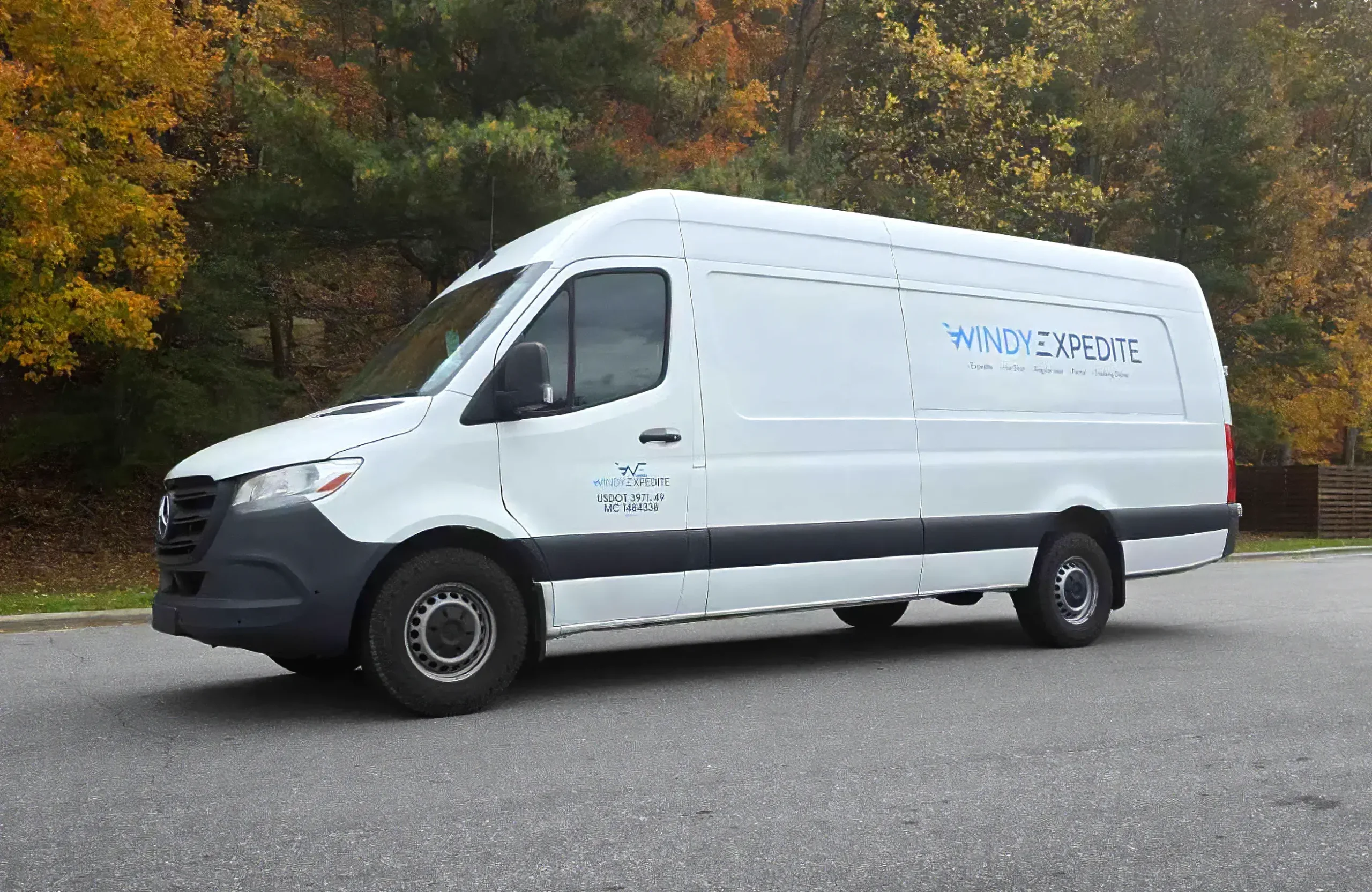
Unlike interstate hauls in the lower 48 states, remote logistics offer very little margin for mechanical failure. A breakdown in a remote territory can result in days of delay, whereas an expedited shipment often has a window measured in hours. This is why the selection of equipment—specifically High-Roof Sprinter Vans and Straight Trucks—must be paired with a rigorous, proactive maintenance schedule.
The Critical Role of an Asset-Based Carrier
One of the primary risks in remote shipping is the lack of direct oversight. Many logistics providers rely on a brokerage-heavy model, outsourcing remote lanes to third-party owner-operators who may not have the necessary experience or equipment for such demanding routes.
Windy Expedite operates as an asset-based carrier. For a broker, this provides three distinct advantages:
- Direct Accountability: Because we own the fleet, we are directly responsible for the performance of the vehicle and the driver. There is no middleman to obscure communication.
- Equipment Consistency: Our units are specifically outfitted for long-range expedited missions, ensuring they meet safety and compliance standards before leaving the terminal.
- Operational Control: An asset-based model allows for immediate rerouting and real-time decision-making, which is essential when navigating the unpredictable conditions of northern territories.
Real-Time Transparency in Isolated Lanes
The psychological pressure on a broker increases the further a truck moves from major hubs. Visibility is the only remedy for this uncertainty. At Windy Expedite, we utilize advanced GPS tracking and 24/7 dispatch support to provide constant data points, even in areas where traditional logistics networks are thin.
In 2026, transparency is not an optional feature; it is a core requirement of the contract. Providing brokers with the ability to monitor high-value freight in real-time ensures that they can keep their clients informed, protecting their professional reputation.
Conclusion: Partnering for the “End of the Map”
The ability to deliver to the most isolated docks in North America is what separates a standard carrier from an expedited specialist. Windy Expedite has built its reputation on the willingness and ability to service the lanes that others decline.
By focusing on asset-based reliability, specialized equipment, and constant transparency, we ensure that your freight reaches its destination, regardless of how far it is from the center of the map.